Products / DC Fast Charging
Fast charging where time matters.
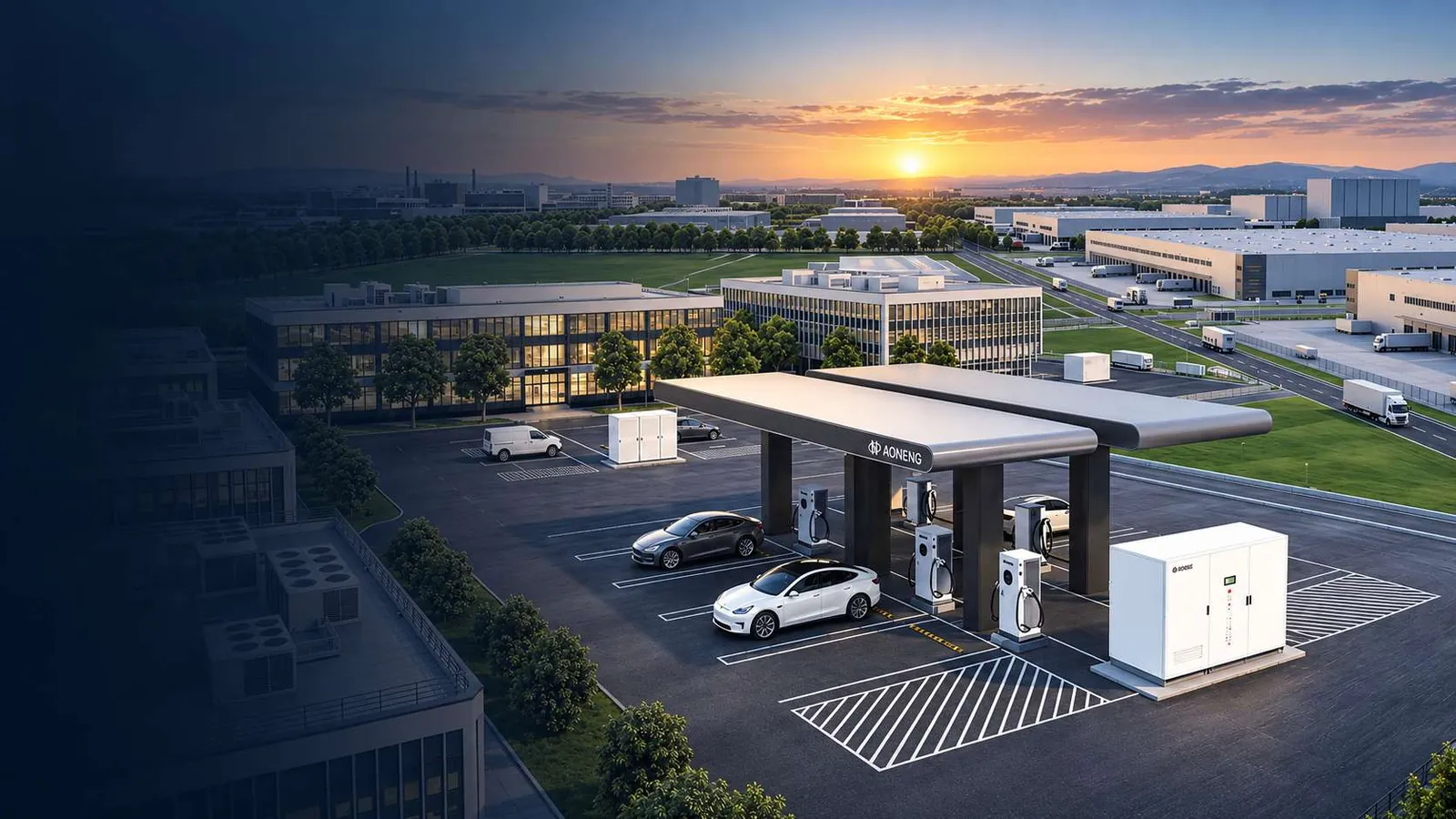
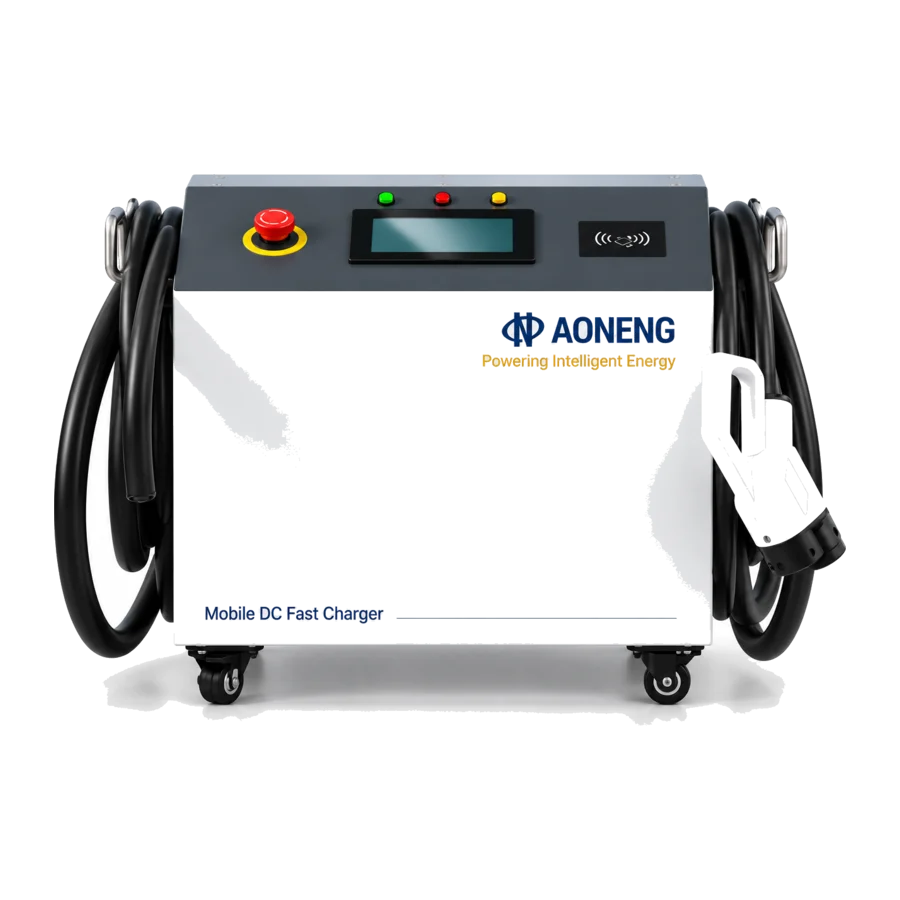
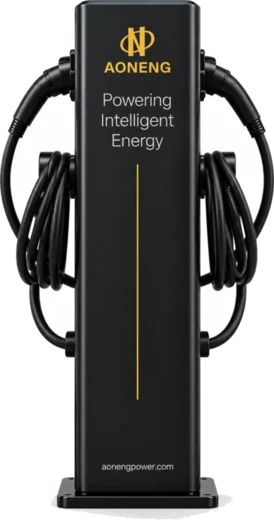
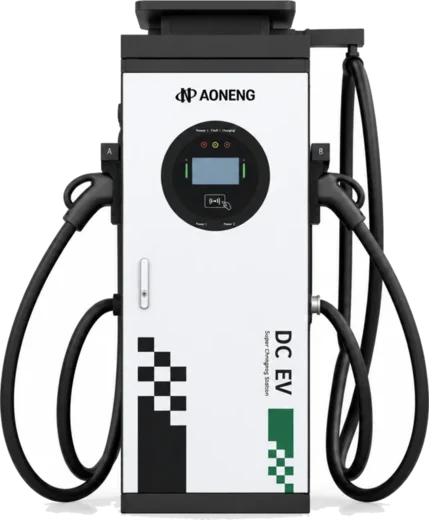
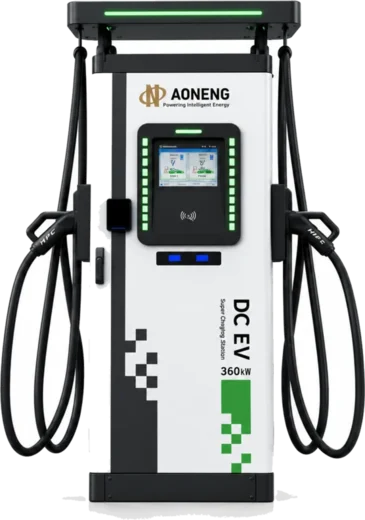
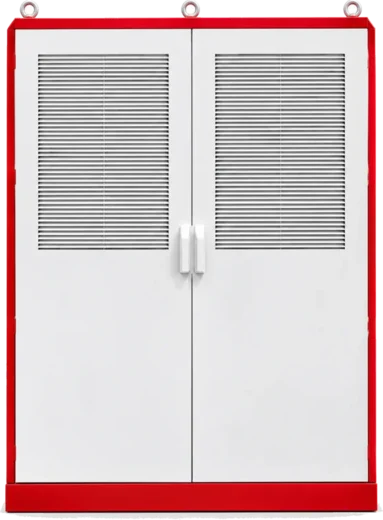
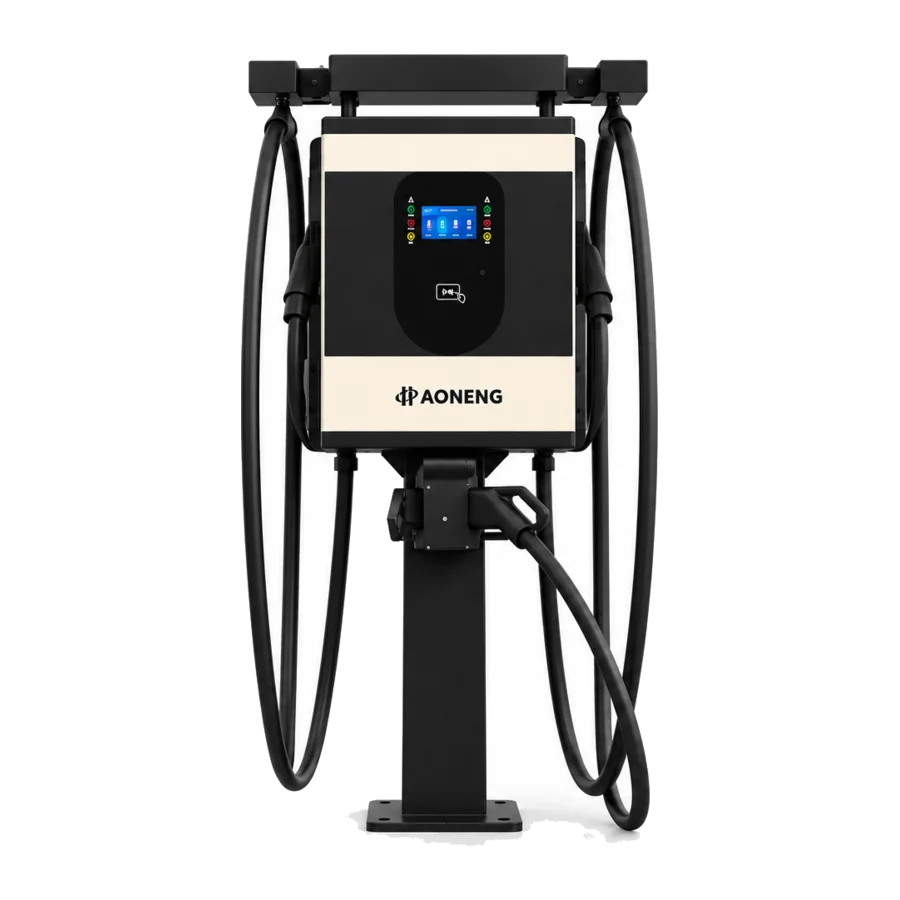
Mobile, wall-mounted, dual-gun and integrated floor-standing DC chargers for commercial locations, fleet operations, workshops and public charging sites.
3.5 kW → 1.6 MWEV charging range
101 kWh+LFP storage, scaling to multi-MWh
100,000+ ACcharging units a year
15,000+ DCcharging units a year
Installation
Outputs
Showing 4 products
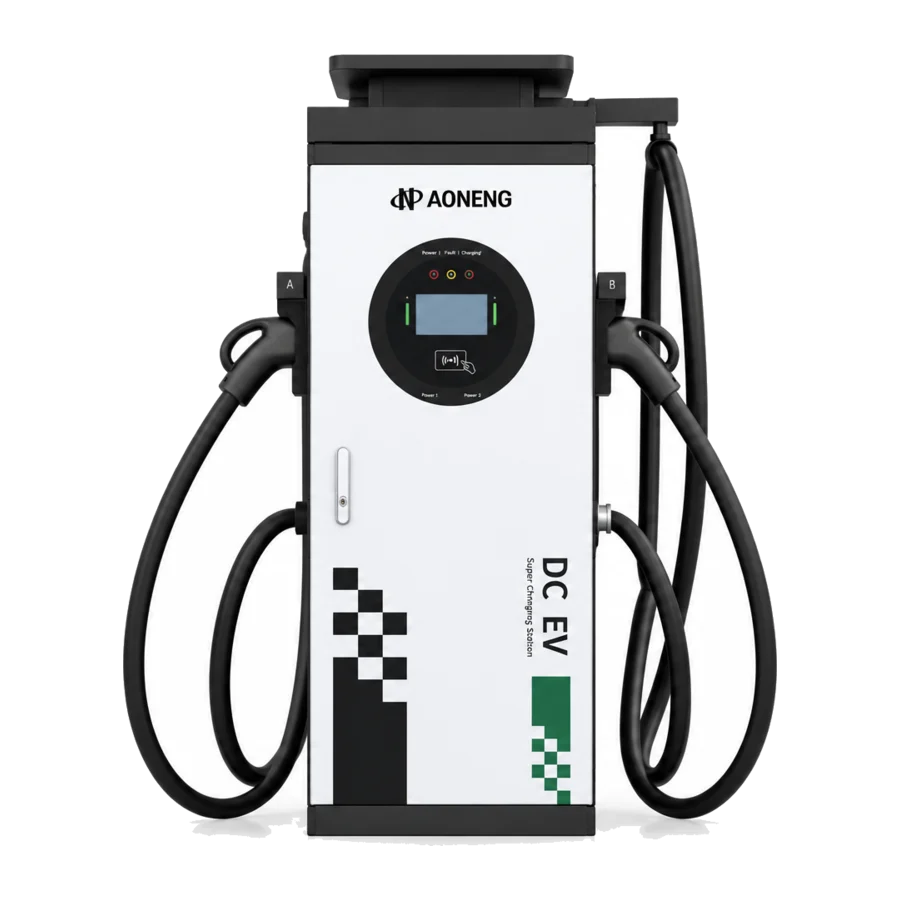
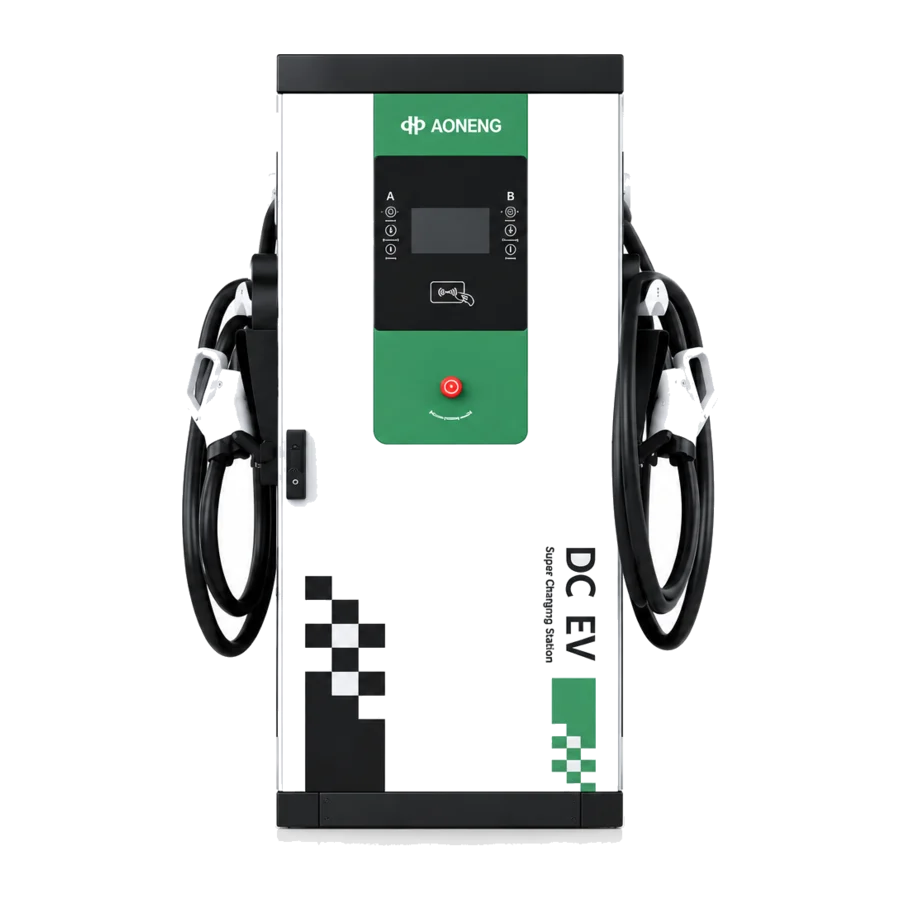
Compare · 0 of 3
Side by side.
Values from the published AONENG catalogue. “—” means not applicable or listed on the full datasheet. Approvals are model- and market-specific.
Compare 0/3View comparison
Start from the site
Not sure which category?
Pick the site that looks like yours.
Each choice filters the range above. The final configuration follows a site study, load assessment and vehicle profile.
Long stays, hours parkedHomes · offices · hotelsAC Charging3.5–22 kWStays under two hoursRetail · workshops · fleetsDC Fast30–160 kWShort stops, high turnoverHighways · public hubsUltra-Fast120–400 kWMany vehicles, shared powerBus & truck depots · portsSplit DC Group240 kW–1.6 MWNot enough connection capacityGrid-constrained sitesStorage + Charging261 kWh + 120–240 kW
Environmental engineering
Built for real operating conditions.
Ratings vary by platform. Model-specific environmental specification is provided during technical evaluation.
+55°CUpper specified operating range on key charging platforms
IP65/ IP55Selected AC platforms / commercial and ultra-fast platforms
CCS2Primary regional vehicle interface · Type 2 on AC
Multi-layer protectionOver- and under-voltage · overcurrent · overtemperature · surge · grounding · leakage · emergency stop
Approved per model and market — never as a blanket claim.
Certifications & compliance →Product approvals in the AONENG portfolio
SASOCECBPTBTR25cTUVusETLModule B
Each product page shows only the approvals that apply to that model.
Charging communication on DC models
DIN 70121ISO 15118OCPP 1.6J
FAQ
DC fast questions
Output range, power sharing and connectivity.
What is the difference between charger power and vehicle charging power?
The charger sets the maximum available power, but the vehicle battery, voltage, current limit, state of charge and temperature determine what the vehicle actually draws.
Can two vehicles charge at the same time?
Dual-gun configurations can charge two vehicles, with power allocation depending on the charger model and connected demand.
What output voltage does the DC range support?
Relevant DC fast-charging platforms support up to 200–1000 Vdc; confirm the exact range on the selected datasheet.
Can the chargers be used outdoors?
Yes. Outdoor-rated platforms are available, with ingress protection depending on the model.
Can a CPO integrate the charger with its own backend?
OCPP-based integration is supported on relevant models; backend compatibility should be validated during project engineering.