Resources
Technical information
when you need it.
Approved product literature, technical documents, project references and practical guidance on EV charging and energy storage.
Downloads
Approved documents. One place.
 CompanyAONENG POWER Corporate ProfilePDF · 30 pages · 2026Request PDF
 EV ChargingEV Charging CataloguePDF · 35 pages · 2026Request PDF
 EV ChargingEV Charging InfrastructurePDF · 23 pages · 2026Request PDF
 Energy StorageIntelligent Energy StoragePDF · 25 pages · 2026Request PDF
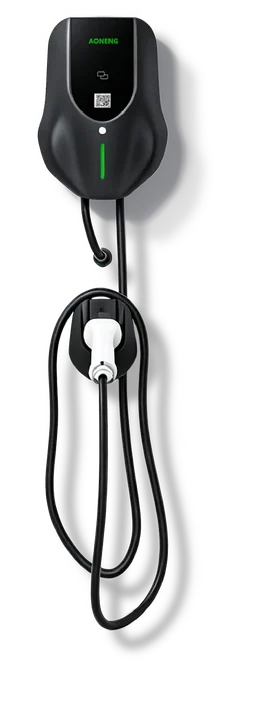
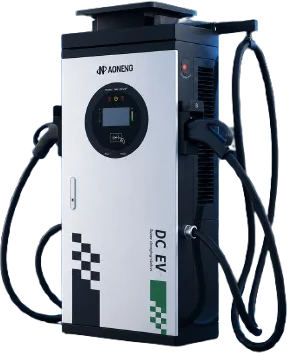
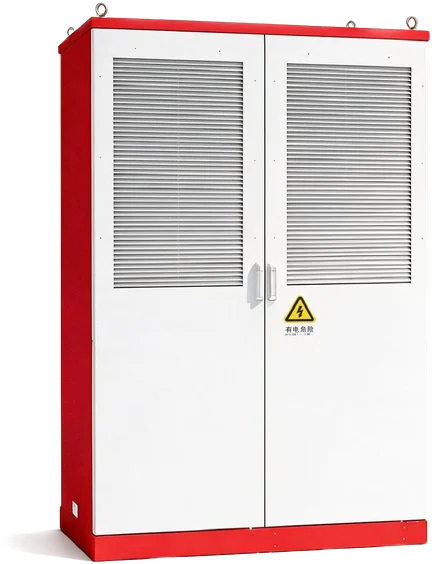
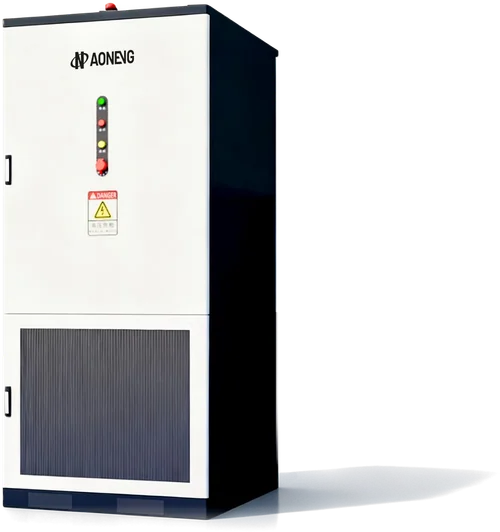 BESS 101 · 215 · 261 kWh datasheetsCommercial and industrial storage cabinetsEnergy StoragePDF · EN · 2026Request
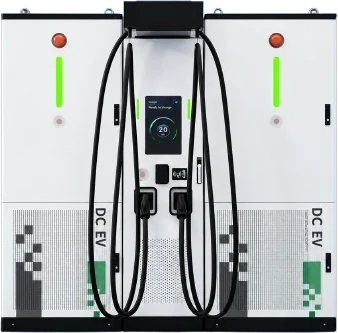
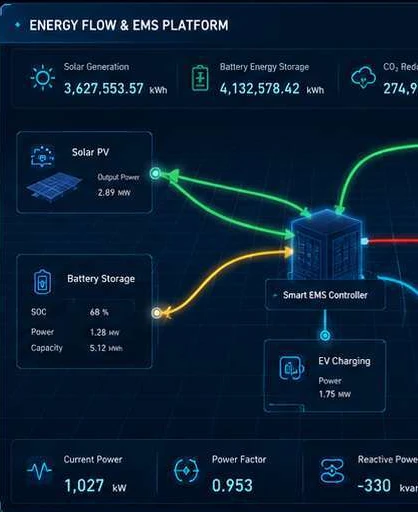 Smart Energy Cloud brochureCPMS, EMS, remote O&M and white labelSoftware & CompliancePDF · EN · 2026Request
 Certification documentsFor an exact model and destination marketSoftware & ComplianceOn requestRequest
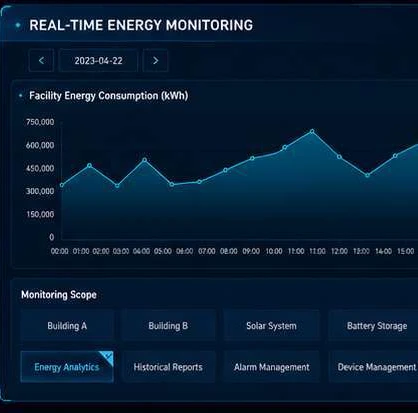
Need a certificate, test report or integration document that isn’t listed? Request a technical document →
Insights
Practical thinking for charging and energy projects.
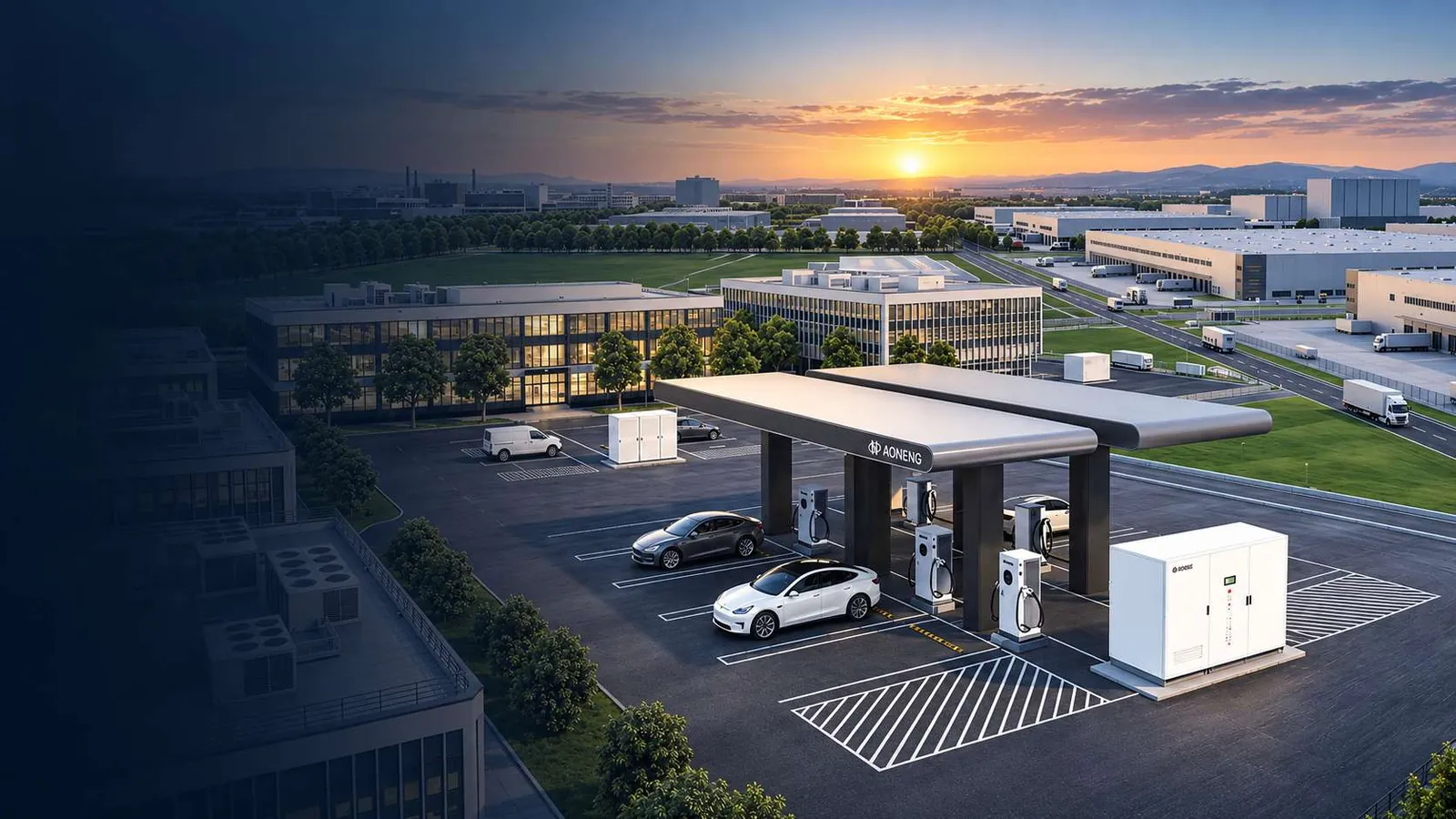 Charger selection · 8 min readHow to choose the right DC charger for a siteVehicle mix, dwell time, grid capacity and growth — the four questions to answer before comparing kW figures.Read the article →
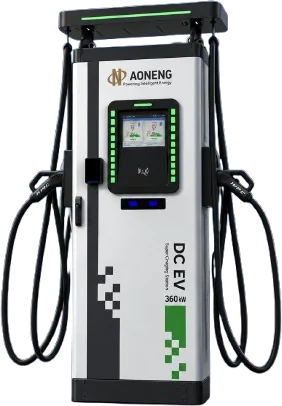 EV CHARGING FUNDAMENTALSWhy charger kW is only part of the charging-speed questionIn preparation
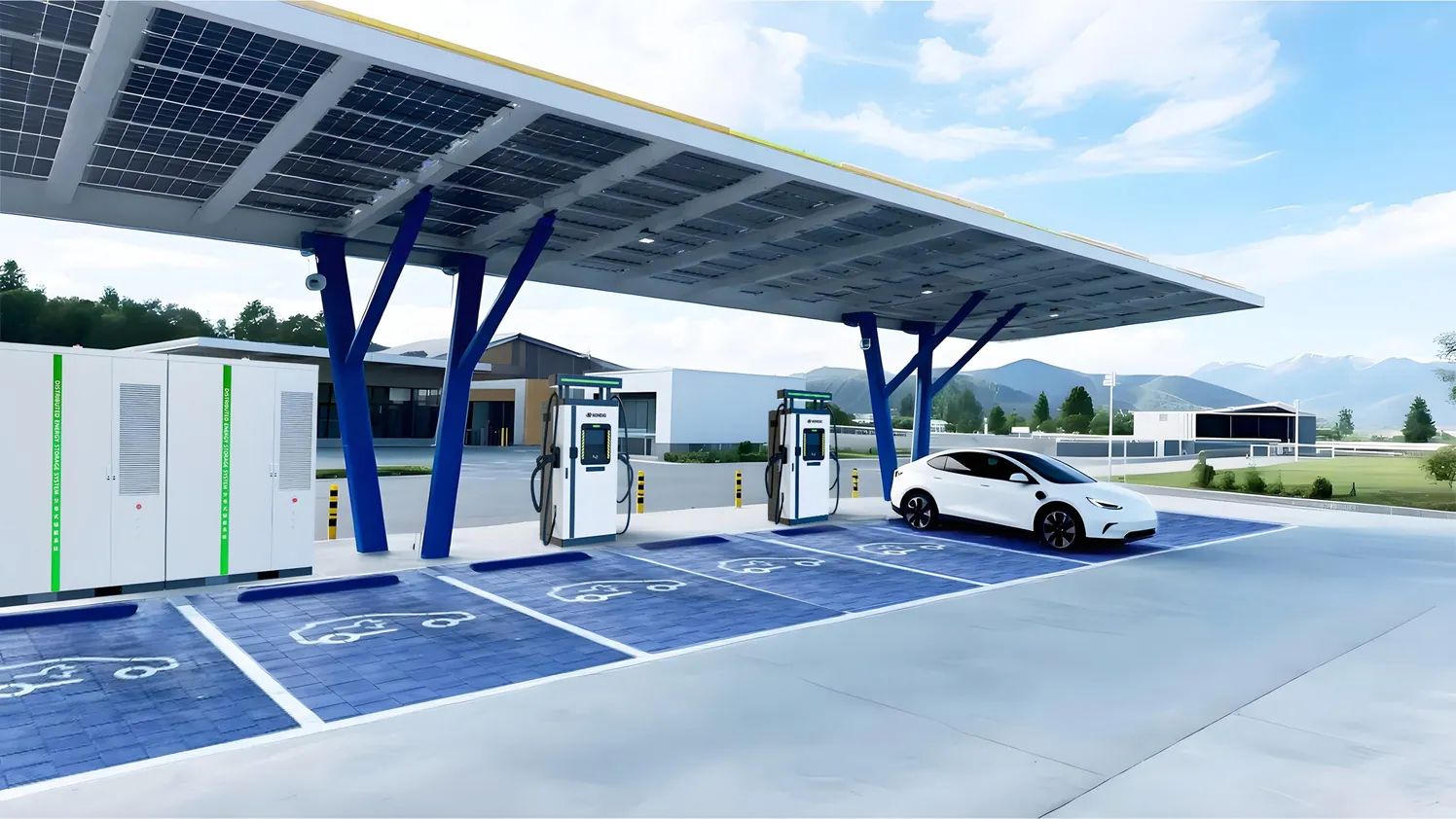 BESS FUNDAMENTALSWhen BESS helps an EV charging siteIn preparation
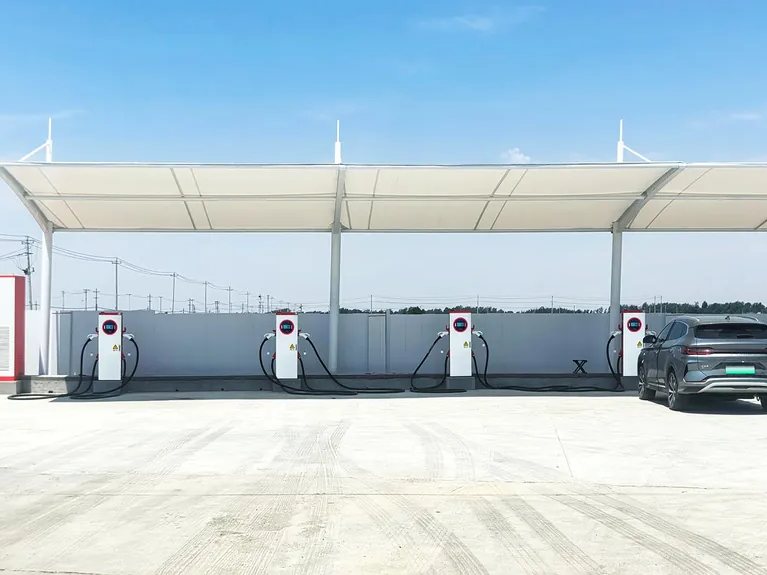 CHARGER SELECTIONAC vs DC charging for hotels and commercial propertiesIn preparation
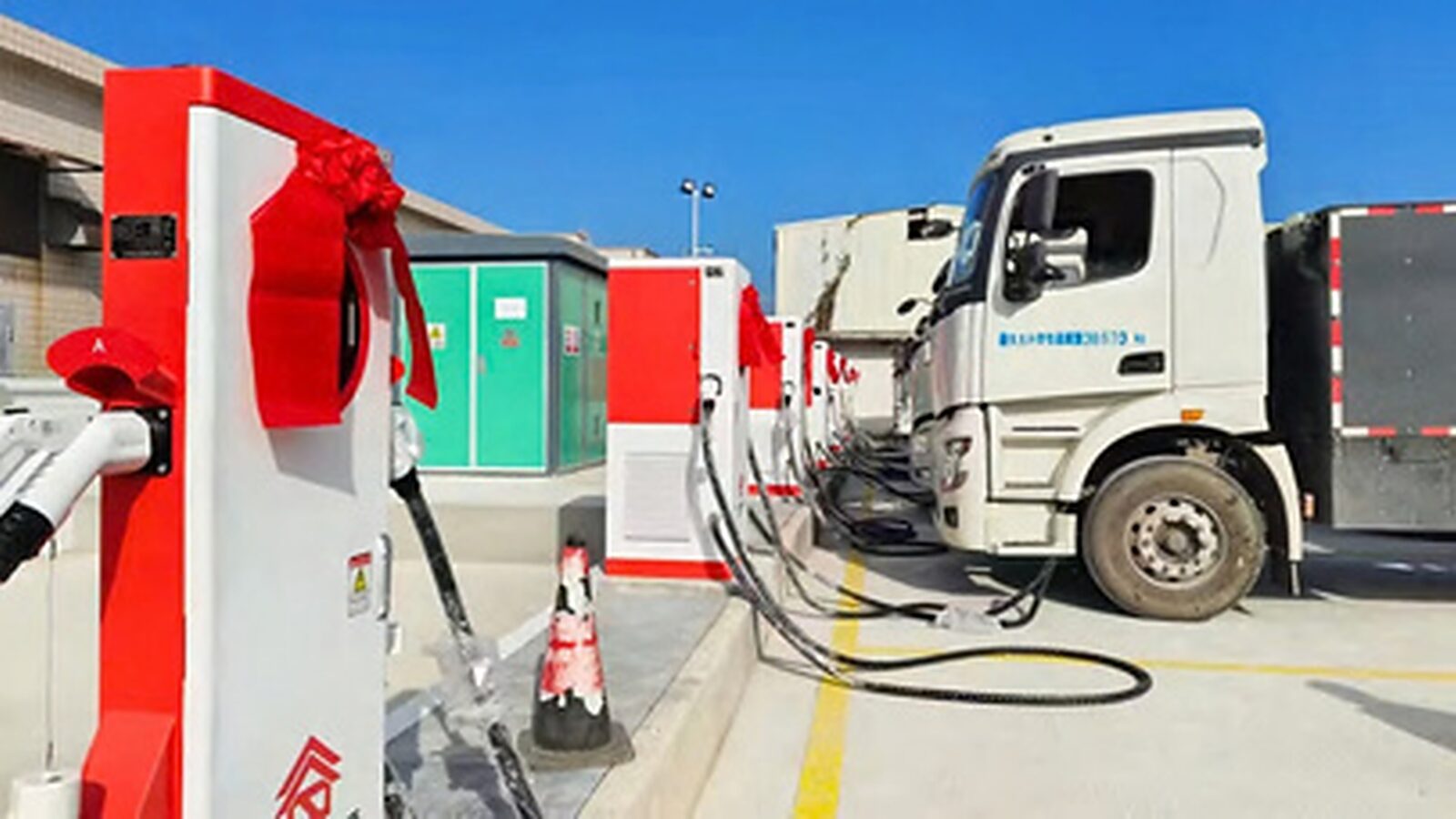 FLEET ELECTRIFICATIONHow shared-power charging works in fleet depotsIn preparation
FAQs
Common questions. Clear answers.
What is the difference between AC and DC charging?
AC chargers supply power that the vehicle’s on-board charger converts, so speed is limited by the car. DC chargers convert the power themselves and feed the battery directly, which allows much higher power.
Why does my car charge slower than the charger’s rating?
The vehicle decides how much power it accepts. Battery size, state of charge and temperature all limit the actual charging power.
Can one DC charger serve 400 V and 800 V vehicles?
Yes, if its output voltage range covers both. AONENG ultra-fast chargers cover 200–1000 V DC.
What happens when two cars use a dual-gun charger?
The charger shares its total power between the two connectors according to each vehicle’s demand and the configured limits.
Which OCPP versions are supported?
OCPP 1.6 and 2.0.1. Compatibility with a specific backend is confirmed during integration.
What is a CPMS?
A Charging Point Management System is the software used to monitor and manage connected chargers and sessions.
Can the platform carry our brand?
Yes. White-label apps, operator portals and backend platforms are available.
How is a fleet depot sized?
From fleet size, battery capacity, route energy, return times, dwell time, simultaneous charging and available site power.
Can vehicles share charging power?
Yes. Split charging systems allocate a shared power pool across several charging terminals.
Do you support heavy trucks?
Yes, with high-power and liquid-cooled terminal options for truck depots, ports and mines.
What is the difference between kW and kWh?
kW is power — how fast energy flows. kWh is energy — how much is stored. A 261 kWh battery can deliver its energy at different power levels.
Why LFP chemistry?
Lithium iron phosphate cells are widely used in stationary storage for their thermal stability and cycle life.
Can BESS reduce charging peaks?
Yes, where the project is designed with a storage buffer to absorb peak demand.
Is 24/7 support available?
Yes. AONENG provides 24/7 global after-sales O&M with remote diagnostics.
Can I get a certificate for a specific model?
Yes. Request it with the exact model and destination market.
Do you train our technicians?
Training can be included in the project or partnership agreement.