Most DC charger comparisons start with the headline power figure. That number matters, but on its own it rarely tells you which charger fits a site. The better starting point is the site itself — who arrives, how long they stay, and how much power the connection can actually deliver.
1. Start with the vehicles
A charger can only deliver what the vehicle accepts. A car limited to 100 kW will charge at about 100 kW on a 360 kW unit. Battery size, state of charge and temperature reduce that figure further as a session goes on.
List the vehicles you expect: passenger cars, vans, buses or heavy trucks; 400 V or 800 V battery systems; and the connector standard used in your market. That list sets the realistic power ceiling for each bay.
Charger rating vs what the vehicle takes (example)
2. Match power to dwell time
How long a vehicle stays decides how much power it needs. A guest staying overnight needs far less power than a driver stopping for twenty minutes on a highway.
The right charger is the one that serves the vehicles you actually have, in the time they actually stay.
3. Check what the grid connection can deliver
Add up the peak demand of every charger running at once and compare it with the site’s available capacity. If the numbers don’t fit, there are three common answers:
- Shared power. A split system feeds several terminals from one power cabinet and moves power to the vehicles that need it.
- Load management. Software keeps total charging demand within an agreed limit.
- Battery storage. A BESS charges slowly from the grid and releases energy quickly during charging peaks.
4. Plan for growth
It is far cheaper to lay cable routes, ducts and switchgear space once than to dig up a car park later. Size the electrical infrastructure for the next phase, even if you install fewer chargers on day one.
Questions to settle before you buy
- How many vehicles will arrive in the busiest hour?
- Which vehicles need the fastest turnaround?
- What will the site look like in three to five years?
5. Where AONENG fits
Once the site questions are answered, the product choice narrows quickly.
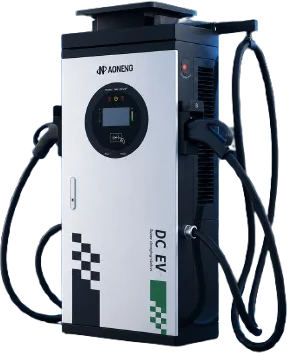 30–160 kWDC Fast ChargingMedium stays and mixed fleets.
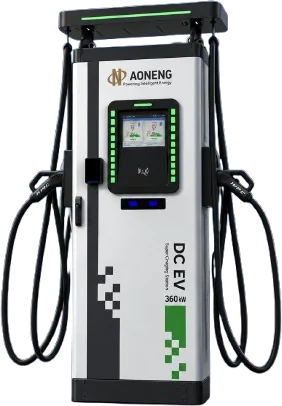 120–360 kWANDCE1-HP ultra-fastShort stops and 800 V vehicles.
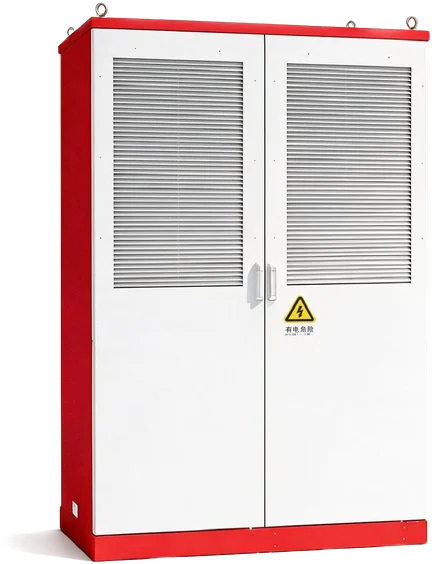 240 kW–1.6 MWSplit DC Group ChargingMany bays sharing one connection.
FAQ
Is a higher-power charger always better?
No. It only helps if the vehicles can accept the power and the site can supply it. Otherwise you pay for capacity you never use.
Can I mix AC and DC chargers on one site?
Yes. Mixed sites are common where different users stay for different lengths of time.
What if the grid connection is too small?
Shared-power systems, load management and battery storage can each help keep demand within the available capacity.